

You scan the code, the scooter beeps to life, and you push off down the bike lane toward the Metro. It is faster than walking, it is cheap, and it is fun, right up until a car turns across your path, a door swings open, or the front wheel drops into a seam in the pavement. One second, you are commuting through Arlington, Alexandria, or Tysons. The next time you are on the asphalt, and your day, maybe your year, just changed. If that is where you are right now, here is what you need to know, and why the clock is already running.
Bottom Line Up Front
An e-scooter crash in Virginia carries two hard realities most riders never see coming. First, Virginia follows a pure contributory negligence rule, which means that if the other side can pin even one percent of the blame on you, you can recover nothing. Second, the evidence that proves you were not at fault, the scooter itself, its ride and maintenance data, and the camera footage nearby, starts disappearing within hours. You generally have two years to file under Virginia law, but the case is often won or lost in the first two weeks. The good news is that you may have more sources of recovery and a stronger claim than you think.
These Scooters Are Everywhere Now, and So Are the Injuries
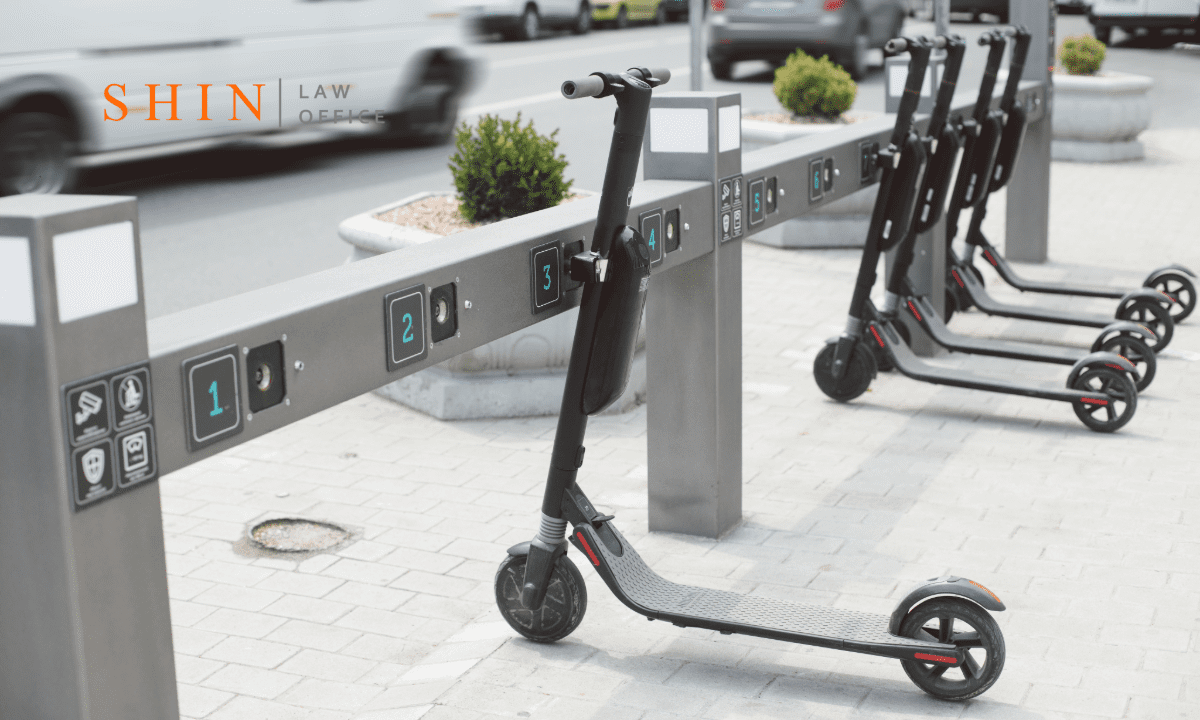
Shared e-scooters and e-bikes have become part of the daily commute across Northern Virginia. You have seen them lined up near the Metro entrances in Arlington, parked along the brick sidewalks of Old Town Alexandria, and humming through the wide blocks of Tysons. They solve the last mile, and most rides end without a scratch. But the injuries are real, and they are climbing.
When the CDC studied dockless e-scooter injuries together with Austin Public Health, it found that nearly half of injured riders hurt their head, about fifteen percent showed signs of a traumatic brain injury, and fewer than one in a hundred were wearing a helmet. A separate study published in JAMA Network Open, reviewing injured riders at two emergency departments over a year, found head injuries in roughly forty percent of cases and broken bones in about a third, with only a handful wearing helmets, and a small but real share of those hurt were not riders at all but people on foot who were struck. On the national scale, the U.S. Consumer Product Safety Commission has tracked a steep rise in injuries tied to micromobility products, e-scooters, e-bikes, and hoverboards, with emergency rooms treating hundreds of thousands of these injuries in recent years and the totals rising year after year.
Why a Scooter Crash Is More Dangerous Than It Looks
A standing scooter puts you upright, with small hard wheels, no seatbelt, no airbag, and nothing between your head and the curb. Those little wheels catch on potholes, trolley tracks, drainage grates, and the brick and cobblestone that give Old Town its charm. Many of these scooters move at fifteen miles an hour or more, which is plenty of speed to throw a rider headfirst when the front wheel stops short. That is why head injuries dominate the data, and why a crash that looks minor can turn into a concussion, a fractured wrist, or something far worse. The most serious cases, a brain injury or spinal damage, can mean months of treatment and a permanently changed life, which is the kind of harm I handle through my work on catastrophic injuries. Even a so-called moderate injury, like the neck injuries that follow a hard fall, can follow you for years.
The Virginia Rule That Can Erase Your Claim
Here is the part that catches people off guard. Virginia is one of a tiny handful of places that still follows pure contributory negligence. In most states, being a little at fault just reduces what you recover. In Virginia, if the other side convinces a jury that you were even one percent responsible for your own injury, you walk away with nothing, no matter how careless the driver was. You can read the full statewide framework in my guide to Virginia personal injury law.
For a scooter rider, that rule is a target on your back. The insurance company will look for any way to shift blame onto you: you drifted out of the bike lane, you rolled through the light, you were riding where the local rules did not allow. It is the same blame game that exposed riders face in my motorcycle and pedestrian and bicycle cases, where the person with the least protection gets blamed first. Because the stakes are all or nothing, proving that you did nothing wrong is not a side issue. It is the whole case, and it depends on evidence that does not wait around.
Who Is Actually Responsible
More than one party can be on the hook for a scooter crash, and finding all of them matters, because each one may carry insurance.
A driver hit you. This is the most common path to a serious injury. A car turning right across the bike lane, a driver pulling out of a garage, a door opened into traffic. When a vehicle causes the crash, the driver’s negligence is the heart of the claim, the same as in any car accident case.
The scooter failed. Brakes that do not grab, a throttle that sticks, a wheel that locks, a frame that cracks. These machines take a beating and are maintained on a schedule set by the company that owns them. When a mechanical failure causes the crash, the company that owns and maintains the scooter can be responsible.
The road or sidewalk was the hazard. A deep pothole, a broken slab, a missing grate. When a dangerous condition causes a fall, the entity responsible for maintaining that surface may share the blame, raising the kinds of questions I deal with in premises liability cases. When the hazard sits on a public street, government immunity can complicate the claim, which is one more reason to get the facts pinned down early.
You were on foot. If a scooter rider struck you while you were walking, you are the injured party, and the same questions of fault and insurance apply in your favor.
The Insurance Question Nobody Expects
Figuring out which policy pays is often the hardest part of a scooter case, and it is exactly the kind of puzzle I untangle in rideshare cases. A few sources may be in play at once. If a car caused your crash, the driver’s liability insurance is the first place to look. If that driver had no insurance, too little, or fled the scene, the uninsured and underinsured motorist coverage on your own auto policy may come into play even though you were on a scooter, depending on how your policy is written. People are genuinely surprised to learn they have a source of recovery they did not know they had.
And then there is the part everyone worries about: the waiver. You tapped through pages of terms before your first ride, and somewhere in there you agreed not to sue. Here is what helps. Virginia courts have generally refused to enforce agreements that try to release a company from liability for personal injury caused by its own negligence before the injury ever happens. That means the waiver you tapped through may carry far less weight here than the company would like you to believe. These user agreements can still include a clause forcing disputes into arbitration, which is a separate question, and that alone is a good reason to have the agreement read closely by someone on your side, quickly.
The Evidence Is Disappearing as You Read This
This is the reason I tell scooter clients not to wait. The scooter you were riding does not stay put. Within hours, a company crew may collect it, recharge it, repair it, or send it back out, and the specific machine that failed you, along with whatever was wrong with it, can be gone or altered before anyone looks. The ride data exists, the GPS track, your speed, the trip timing, the maintenance and complaint history, but the company controls it, and routine systems can overwrite it unless it is formally preserved. The doorbell camera, the shop’s security feed, and the traffic camera that caught the whole thing often loop over themselves in a matter of days. Witnesses who stopped to help scatter, and memories fade. The sooner someone moves to lock all of this down, the stronger your case will be, and the harder it becomes for an insurer to rewrite what happened.
What to Do After an E-Scooter Crash
- ✓ Get medical care right away, even if you feel okay, because head and neck injuries often surface later
- ✓ Photograph everything: the scooter, its ID or QR number, the scene, the hazard, and your injuries
- ✓ Report the crash to the police and to the scooter company, and keep a copy of the trip in the app
- ✓ Get the names and numbers of any witnesses before they leave
- ✓ Do not give a recorded statement to any insurance company before you have talked to a lawyer
- ✓ Reach out for legal help quickly, while the scooter, the data, and the footage can still be preserved
What Your Case Can Recover
A scooter injury claim can pursue your medical bills, the cost of the care you will still need, your lost wages and lost earning ability, and the pain and disruption the crash forced on your life. When the injury is severe, the future care is where the real value sits, and we bring in medical and economic experts to put a credible number on a lifetime of need. You do not pay anything up front. I handle these cases on a contingency fee basis, which means my fee comes out of a recovery, with no cost to you if there is none.
Arlington, Alexandria, and Tysons: Local Rules, Local Courts
Where you can ride a scooter, how fast you can ride, and where you can park it are set by a mix of Virginia law and local ordinances, and they vary from one community to the next. Those local rules matter, because the other side will try to use any rule you may have crossed to argue you were partly at fault. Where your case is filed and how it is handled also depends on the locality. If you were hurt in Alexandria, the patterns I describe in my guide to personal injury in Alexandria will sound familiar. In Tysons and the rest of Fairfax County, my overview of how personal injury cases work in Fairfax County walks through the local landscape, and for Arlington and the region as a whole, see my analysis of personal injury law in Northern Virginia. All of this sits within my broader personal injury practice across the region.
Frequently Asked Questions
Who can be held responsible for an e-scooter accident in Northern Virginia?
Depending on the facts, responsibility can fall on a driver who hit you, the company that owned and maintained a scooter that malfunctioned, or the entity responsible for a dangerous road or sidewalk. More than one party can share the blame, and identifying each one matters, because each may carry insurance that contributes to your recovery.
Does Virginia’s contributory negligence rule apply to scooter riders?
Yes. Virginia follows pure contributory negligence, so if the other side can show you were even one percent at fault for your own injury, you can be barred from recovering anything. That is why insurers work so hard to shift blame onto scooter riders, and why proving you did nothing wrong is the central battle in these cases.
The app made me accept a waiver. Did I sign away my right to sue?
Probably not the way you fear. Virginia courts have generally declined to enforce agreements that try to release a company from liability for personal injury caused by its own negligence before the injury happens. The waiver you tapped through may carry little weight here. These agreements can still include an arbitration clause, which is a separate issue, so it is worth having the terms reviewed early.
What insurance can cover an e-scooter injury?
If a vehicle caused the crash, the driver’s liability insurance is the starting point. If that driver had no coverage, too little, or left the scene, the uninsured and underinsured motorist coverage on your own auto policy may apply even though you were on a scooter, depending on your policy. Your health insurance and, in some cases, the scooter company’s coverage may also be involved.
How long do I have to file an e-scooter injury claim in Virginia?
Virginia generally gives you two years from the date of injury to file a personal injury lawsuit. That sounds like plenty of time, but the evidence that proves your case, the scooter, its data, and nearby video, can disappear within days. Waiting to act can quietly weaken a claim long before the deadline ever arrives.
What should I do right after an e-scooter crash?
Get medical attention, even if you feel fine, then document everything: the scooter and its ID number, the scene, the hazard, your injuries, and the names of witnesses. Report the crash, keep the trip in the app, and avoid giving a recorded statement to any insurer before you have legal advice. Then reach out quickly, while the scooter and the footage can still be preserved.
Hurt on a Scooter? The First Days Matter Most.
An e-scooter crash in Arlington, Alexandria, or Tysons can leave you facing serious injuries, a tough Virginia fault rule, and evidence that is already slipping away. The sooner we get to work, the stronger your position.
Prefer to talk now? Reach Anthony I. Shin, Esq. at 571-445-6565.
Sources
- Centers for Disease Control and Prevention and Austin Public Health, Dockless Electric Scooter-Related Injuries Study (head injury, traumatic brain injury, and helmet-use findings).
- Trivedi and colleagues, Injuries Associated With Standing Electric Scooter Use, JAMA Network Open (2019).
- U.S. Consumer Product Safety Commission, reporting on injuries and deaths associated with micromobility products (e-scooters, e-bikes, and hoverboards).
- Code of Virginia, Section 8.01-243 (two-year limitations period for personal injury).
This article is general information about Virginia law, not legal advice for any specific situation. Statutes, local ordinances, and deadlines change, and how they apply depends on the facts of your case.
