Rear-end collisions
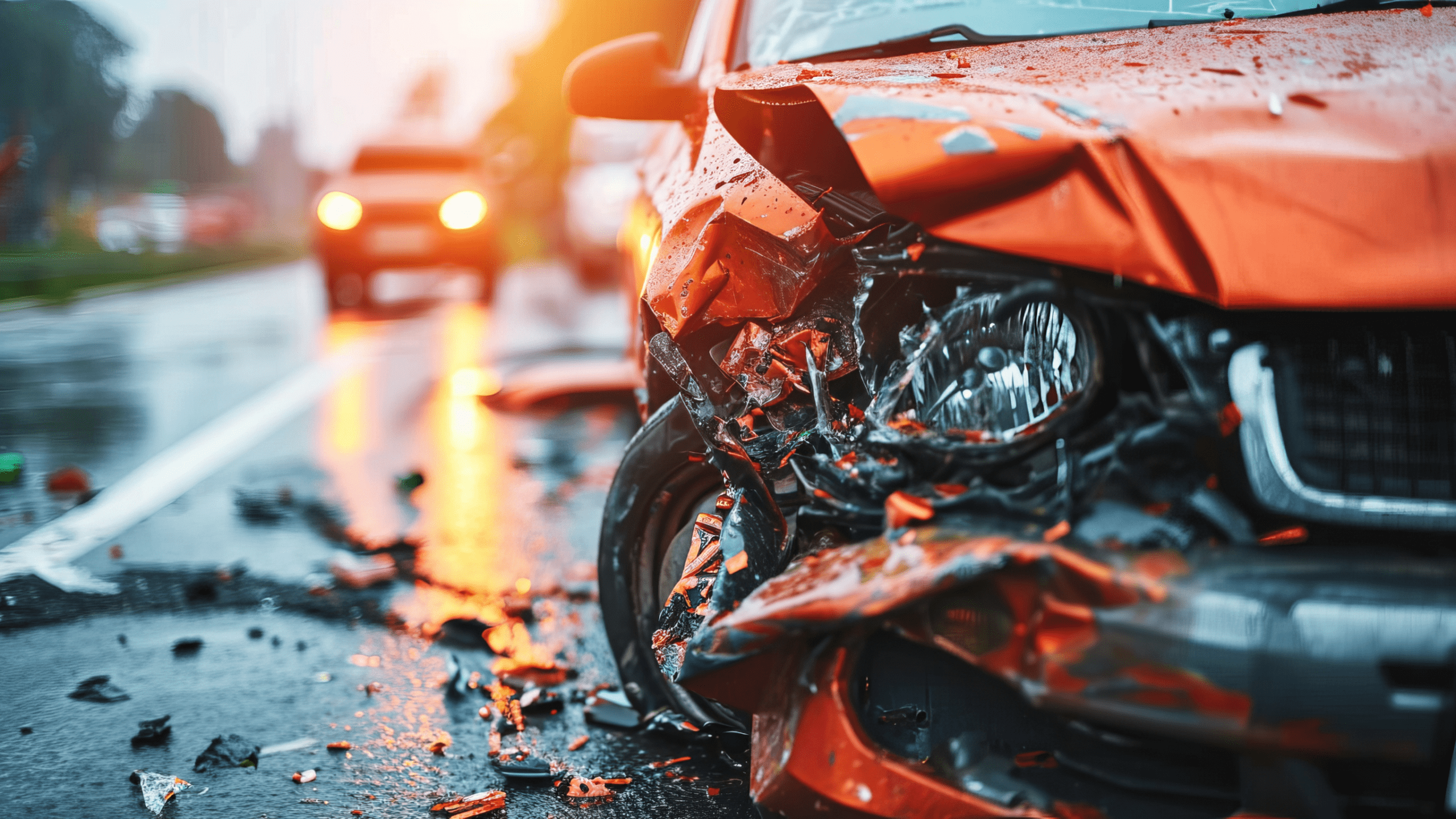
A rear impact can turn an ordinary commute into months of treatment. We examine vehicle positions, braking, traffic conditions, and the medical evidence.


Shin Law Office · Northern Virginia
Your recovery deserves a strong case.
The crash was only the beginning. Now there are medical bills, missed paychecks, and calls from the insurance company. Our Northern Virginia personal injury attorneys help you build the evidence, understand your options, and pursue the compensation your injuries justify.
You do not need every answer before you call. Start with what happened.
The short answer
Contact a lawyer promptly if you were injured, fault is disputed, the insurance company is pressing for a statement or settlement, or the crash may affect your ability to work. Shin Law Office represents injured drivers, passengers, and pedestrians across Northern Virginia.
Start where you are
Your next step should fit what you are facing right now.
Car accident injury representation
We investigate how the collision happened, who may be responsible, and how the injuries have changed your life.
A rear impact can turn an ordinary commute into months of treatment. We examine vehicle positions, braking, traffic conditions, and the medical evidence.
A green light does not answer every question. Signal timing, right-of-way, visibility, and witness accounts help establish how the vehicles came together.
A chain reaction can produce several accounts of the same seconds. We work through the sequence of impacts and each driver’s role.
You were along for the ride. Now you need answers. We review the responsible parties and potentially applicable policies, including the vehicle you occupied.
The other driver’s missing identity or insurance may not end the inquiry. We investigate available evidence and possible uninsured motorist coverage.
Phone use, impairment, speeding, or inattention may be part of the evidence. Records must be obtained lawfully and connected to the collision.
A commercial vehicle, cyclist, or pedestrian was involved?
Explore our truck accident and pedestrian and bicycle injury services.
The evidence behind your claim
Two drivers can describe the same collision very differently. A strong claim brings the available records together and tests each account against the physical evidence.
We look beyond the first explanation. Depending on the case, that can mean seeking footage, speaking with witnesses, preserving vehicle data, and working with qualified experts.
Vehicle damage, debris, traffic controls, sight lines, photos, and available camera footage.
Crash reports, witness accounts, medical records, and available electronic vehicle information.
Conflicting statements, missing footage, disputed injuries, and questions that may require expert analysis.
Virginia fault rules
We examine driving decisions, applicable duties, and what the evidence shows about the collision.
A claim must connect the wrongful conduct to the crash and injuries through factual and proximate causation.
The case needs evidence of the injuries and their financial and personal consequences.
Why contributory negligence matters: In an ordinary Virginia negligence case, your own negligence that proximately contributed to the injury can bar recovery. The defense must be supported by evidence. Exceptions can matter, so a slogan about “1% fault” should never replace a review of your facts.
Legal references: Virginia civil jury instructions, Chapters 5, 6 and 9 (opens in a new tab); Gravitt v. Ward, contributory negligence burden of proof (opens in a new tab).
The full impact of an injury
A settlement number means little without understanding what it must cover. We document the losses supported by your case and evaluate the available sources of recovery.
Missed shifts. Follow-up appointments. Help at home. The activity you can no longer do comfortably. We work to make those consequences part of the evidence.
This illustration shows areas to consider, not a settlement formula or allocation of damages.
Treatment expenses and supported future care needs.
Lost pay and a supported reduction in future earning capacity.
The physical and emotional impact of the injury.
Applicable repair, total-loss, and related property claims.
Documented disfigurement, disability, or continuing limitations.
Records, medical opinions, employment information, and your account.
Recoverable losses depend on the evidence and applicable law. Virginia civil jury instructions, Chapter 9 (opens in a new tab).
We examine the at-fault party’s liability insurance and any potentially applicable uninsured or underinsured motorist coverage. Other benefits, policy duties, exclusions, and repayment claims may affect the analysis. Coverage should be reviewed before releases are signed.
Virginia Code § 38.2-2206: uninsured and underinsured motorist coverage (opens in a new tab).
A quick offer deserves a careful review.
Before signing, understand the medical outlook, the losses being resolved, any repayment obligations, and whether the release ends your bodily injury claim.
Protect your health. Preserve your options.
Start with safety and medical attention. Then protect the information that can help explain what happened.
Call 911 for an emergency. Seek appropriate medical evaluation and follow the treatment guidance you receive. Report the collision as required.
If safe, photograph the scene and vehicles. Exchange driver and insurance information. Keep witness contacts and the police report number.
Save original photos, video, receipts, messages, bills, and work-loss records. Ask about preserving vehicles and electronic data before repair or disposal.
Ask about deadlines, insurer requests, coverage, and offers. Be truthful. Do not guess about details or sign a release you do not understand.
Missing something? You can still contact us.
Opening an insurance claim is not the same as filing in court. Virginia generally requires a personal injury lawsuit within two years after accrual, usually the date of the crash.
Exceptions and special notice rules may apply. Settlement discussions alone do not pause the filing deadline.
Virginia Code § 8.01-243 (opens in a new tab).
Ask About Your Next StepHow Shin Law Office helps
You deserve to know what is happening, what is still uncertain, and which decisions need your attention.
We discuss the crash, identify immediate concerns, and explain the issues that may shape your claim.
If retained, we build the record of liability, injuries, damages, and available insurance.
We organize the supporting evidence, address disputed points, and evaluate offers with you.
When the case calls for it, we pursue litigation and prepare the evidence for court.

Meet the firm
Principal, Shin Law Office
A serious accident can leave you dealing with a legal system you never expected to need. Our role is to make the issues understandable, investigate the facts, and help you make informed decisions about the claim.
Learn about Anthony and the attorneys behind the firm before you take your next step.
Meet Anthony I. Shin, Esq.Driver-assistance and automated-driving systems have different capabilities. The system and mode in use matter.
Waymo · Tesla · Driver assistance
Was a person driving, supervising a feature, or riding in an automated vehicle? Which system was active? What did the vehicle record? Those questions can change the investigation.
A collision does not automatically make the manufacturer liable. Potential claims depend on human conduct, system performance, any alleged defect, and the connection to the injuries.
Tesla’s Full Self-Driving (Supervised) features require active driver supervision. They should not be treated as equivalent to a fully driverless operating mode.
Technology references: NHTSA automated vehicle safety (opens in a new tab); Tesla Full Self-Driving (Supervised) (opens in a new tab).
Local representation
From a collision on I-66 or the Beltway to an intersection crash near home, we help injured people across Loudoun, Fairfax, Arlington, and Prince William counties, as well as Alexandria and surrounding Northern Virginia communities.
Tell us where the crash occurred. Location can affect the applicable law, investigation, and where a lawsuit may be filed.
Call 571-445-6565 to discuss your matter and meeting arrangements.
Answers before you call
Start here, then get advice based on the facts of your own crash.
Tell Shin Law Office what happened, what the insurance company is saying, and what worries you most. We will discuss the issues and the consultation process so you can take an informed next step.
Contacting the firm does not by itself create an attorney-client relationship.
General information, not legal advice. Virginia rules discussed here may not apply to a crash in another jurisdiction. Outcomes depend on the facts and applicable law; no result is guaranteed.

Reproduction of any content on this site is prohibited except for individual, non-commercial, informational use. This limited permission does not allow modification, distribution, or incorporation of any content into other works or publications in any medium. You may not reproduce or distribute content from this site to any third party.
Copyright © 2026 Shin Law Office, PLC. All rights reserved.
Powered by HILARTECH, LLC
Copyright © 2026 Shin Law Office, PLC. All rights reserved.
Reproduction of any content on this site is prohibited except for individual, non-commercial, informational use. This limited permission does not allow modification, distribution, or incorporation of any content into other works or publications in any medium. You may not reproduce or distribute content from this site to any third party.
Guides, finders & calculators
Start with a core guide, or choose a sector for more specific tools.
14 tools
Try a broader phrase such as “contract,” “property,” or “family.”
Ask the firm for helpFind a starting point. Then talk through your situation.