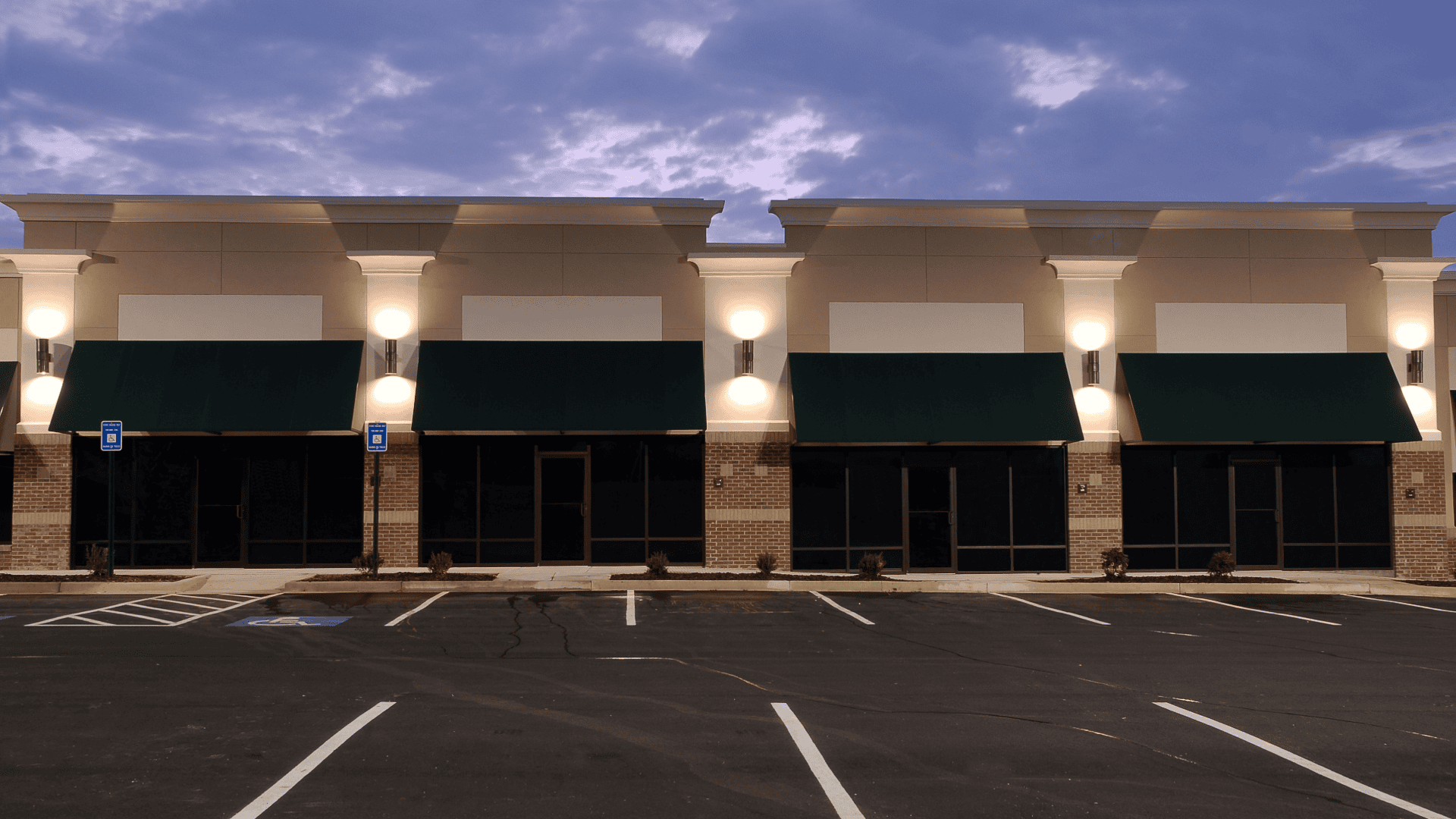

Ownership & title disputes
Boundary & Encroachment Disputes
Address disputed lines, encroaching improvements, and competing survey interpretations through the deeds, plats, field evidence, and history of use.
Explore this service

Shin Law Office · Litigation & transactions
Protect your property. Know your options.
A home, a business location, or an investment can carry years of work and plans for what comes next. We help buyers, sellers, owners, landlords, and tenants address property disputes and make informed decisions about contracts, title, leases, and transfers.
A sale date, hearing, closing, or response deadline coming up? Share the notice and date when you contact us.
Review a transaction, clarify property rights, address a disputed obligation, or pursue an appropriate remedy. Real estate work can involve purchase agreements, leases, deeds, title, boundaries, access, co-owners, liens, and public decisions. The starting point is the property, the controlling documents, the facts, and your objective.
Start with what is at stake
A fence may not follow the deed. A shared driveway may come with limits. A tenant may have rights that survive a sale. A purchase agreement may require a notice before you can recover a deposit or walk away.
We examine how the documents fit the property and the events. For a transaction, that helps identify issues while choices remain available. For a dispute, it helps define the right being asserted, the evidence needed, and the result worth pursuing.
Step 1 of 2
Choose a starting point, then the issue or document that needs attention.
This guide suggests a service to explore. It does not determine property rights, assess a claim, or calculate a deadline.
Real estate litigation & transactions
Explore 18 litigation services and eight transaction services. Search by the problem, the document, or what you want to accomplish, then use a category to narrow the list.
Try “neighbor’s fence,” “co-owner will not sell,” “foreclosure notice,” or “transfer my house to a trust.”
Showing all 26 services.
Address disputed lines, encroaching improvements, and competing survey interpretations through the deeds, plats, field evidence, and history of use.
Explore this serviceEvaluate claims based on possession or use over time. Adverse possession and prescriptive easements have different elements and time periods.
Explore this serviceResolve disputes over shared driveways, access roads, utilities, maintenance, location, and the scope of recorded or claimed easement rights.
Explore this serviceSeek a judicial determination of competing interests or adverse claims that cloud ownership and interfere with use, financing, or sale.
Explore this serviceAddress conflicting conveyances, legal-description issues, omitted interests, unreleased liens, and defects that put ownership or transfer rights in dispute.
Explore this serviceAddress disagreements between co-owners through negotiated buyouts or partition proceedings, with review of division, allotment, sale, and accounting.
Explore this serviceHandle commercial and residential disputes over rent, repairs, defaults, renewal, assignment, guarantees, and obligations under an existing lease.
Explore this servicePursue or defend possession proceedings with attention to lease coverage, notices, service, hearings, payments, and lawful enforcement.
Explore this serviceReview assessment, architectural, records, governance, and enforcement disputes under the governing documents and applicable association law.
Explore this serviceEnforce or challenge private restrictions affecting construction, use, setbacks, subdivision, or activity on property.
Explore this serviceEvaluate defaults, missed contingencies, closing failures, earnest-money disputes, and remedies under a real estate purchase agreement.
Explore this serviceAssess requests to enforce a property agreement through specific performance, including contract certainty, performance, defenses, and equitable limits.
Explore this serviceEvaluate alleged misrepresentations, concealment, disclosure duties, reliance, due diligence, damages, and defenses in property transactions.
Explore this serviceAddress asserted lien rights, recording and notice requirements, enforcement, defenses, and the effect of a mechanic’s lien on a transaction.
Explore this serviceReview notice, loan and trustee records, alleged default, sale procedures, claimed irregularities, and questions involving proceeds or surplus funds.
Explore this serviceHandle conflicts over listing and brokerage agreements, claimed commissions, duties, disclosures, and the facts connecting a broker to the transaction.
Explore this serviceEvaluate proposed takings, easement acquisitions, public-use issues, valuation, and compensable effects on the remaining property.
Explore this serviceChallenge or defend land-use decisions, enforcement actions, and restrictions with attention to the decision-maker, record, standing, and review procedure.
Explore this serviceGuide buyers and sellers through contract review, contingencies, title issues, required documents, and coordination toward residential settlement.
Explore this serviceReview commercial transactions, due diligence, existing leases, title, survey, use restrictions, financing, and closing conditions.
Explore this servicePrepare and negotiate leases covering rent, operating costs, use, improvements, repairs, renewal, assignment, default, and guarantees.
Explore this serviceDraft and negotiate transaction terms addressing deposits, diligence, title objections, representations, closing conditions, default, and remedies.
Explore this serviceExamine the record, title exceptions, liens, and ownership issues, and coordinate appropriate curative documents and settlement work.
Explore this serviceCoordinate the legal documents and transaction steps for a proposed exchange with the taxpayer’s tax adviser and qualified intermediary.
Explore this servicePrepare conveyance documents with review of ownership, legal descriptions, authority, liens, recording, and the consequences of the proposed transfer.
Explore this servicePrepare or review promissory notes, deeds of trust, payment terms, guarantees, and related documents with attention to applicable lending rules.
Explore this serviceSelect “All services” or shorten the search. If several areas overlap, explain what happened, who is involved, and the next date that matters.
Discuss your situationAlready facing a lawsuit, hearing, or entered order? Bring the complete papers and dates. A court response, post-trial request, or appeal can have requirements separate from the underlying property issue.
Explore civil litigationDocuments first, in context
The deed describes an interest. A survey can help locate features. A lease or easement may grant rights that are not obvious from looking at the property. The history of permission, possession, notices, and payment can change the analysis.
We review the complete record so the next decision rests on more than an assumption about what the property includes or what the other party promised. If information is missing, identify it early.
Open each question for a useful starting point. You can make contact before the file is complete.
Different clocks, different consequences
An inspection contingency, a hearing, a trustee sale, and a land-use appeal can require action on different schedules. Start with the actual document and event.
Review deposit changes, inspection and financing contingencies, title objections, resale documents, and closing requirements. Notice may need a particular method and recipient.
Contract cancellation & depositsFlag a foreclosure sale, possession hearing, lien, or proposed transfer promptly. An objection or discussion does not automatically stop action or preserve a remedy.
Foreclosure timing concernsSources: Virginia Code § 55.1-321: trustee-sale notice requirements
A Board of Zoning Appeals decision has a specific court-review process. Other land-use decisions may use a different route, and a stay requires separate consideration.
Land-use review requirementsSources: Virginia Code § 15.2-2314: review of a Board of Zoning Appeals decision
Negotiations and a consultation request do not automatically extend a deadline. If a date may already have passed, seek review of the actual circumstances rather than assuming there are no remaining options.
Long use does not answer every ownership question
The right asserted matters as much as the history. Possession, use, permission, and proof must be assessed together.
Ownership of land
Virginia generally requires 15 years of qualifying possession, with clear and convincing proof of the other elements. The nature of possession and claim of right matter.
Sources: Supreme Court of Virginia: Quatannens v. Tyrrell, adverse possession
A right to use land
Virginia generally requires at least 20 years of qualifying use, with clear and convincing proof of the other elements. A history of permission can affect the analysis.
Sources: Supreme Court of Virginia: Horn v. Webb, prescriptive easements
Before signing, waiving, or closing
Price and location do not tell the whole story. Access, existing occupants, use restrictions, title exceptions, condition, financing, and responsibility for repairs or expenses can shape the value of a transaction.
We help clients review those questions while the contract still provides meaningful choices. Coordinate legal review with surveys, inspections, environmental work, financing, title, and tax advice as the transaction requires.
Explore transaction servicesReview the agreement, deposit, inspections, financing, title, association documents, and required disclosures. Virginia’s residential framework puts substantial due-diligence responsibility on the buyer.
Residential purchase & saleSources: Virginia Code § 55.1-703: residential buyer due diligence · Virginia Code, Title 55.1, Chapter 23.1: Resale Disclosure Act
Connect the documents to the intended operation: permitted use, tenant rights, operating costs, repairs, buildout, environmental concerns, financing, and exit options.
Commercial acquisitionsA proposed 1031 exchange needs planning before transfer. Coordinate eligibility, identification, deadlines, proceeds handling, and closing documents with the tax adviser and qualified intermediary.
1031 exchange requirementsSources: IRS Publication 544: like-kind exchanges and deferred exchange requirements
Title, settlement, and legal representation have distinct roles. Shin Law Office handles title examination and curative work and coordinates with its affiliated title company, Prime Title, as appropriate for the transaction. Confirm the parties’ roles and scope at the outset.
Title examination & curative workWorking with Shin Law Office
A corrected document, negotiated term, settlement, or court proceeding can each have a role. The approach should account for the evidence, legal requirements, cost, and practical objective.
Review the parties, conflicts, property, objective, immediate dates, and proposed scope and fees.
Connect the deeds, title, agreements, notices, use history, and evidence to the legal questions.
Draft, negotiate, give notice, respond, or file as the representation and circumstances require.
Address closing conditions, recording, settlement terms, court orders, or further steps after a result.

Meet the firm
Founder · Shin Law Office
A property matter can involve the home where a family lives, the place a business operates, or an investment built over years. The legal answer should be connected to those real consequences.
Shin Law Office helps clients evaluate property rights and transaction terms with the full record in view. Bring the documents you have, the facts that may be disputed, and what you need to accomplish next.
Meet Anthony ShinNorthern Virginia real estate counsel
We assist clients across Northern Virginia, including Loudoun, Fairfax, Arlington, Alexandria, and Prince William, with residential and commercial property matters.
Tell us where the property is located, who owns or occupies it, and whether a transaction, court case, or local government proceeding is pending. Location and the governing documents help determine the appropriate process.
Answers before you call
Start with the common question, then review the facts and documents that make your property matter different.
Tell us about the property, the agreement or dispute, and the next date that matters. We can discuss the records, immediate questions, and proposed scope of representation.
Property rights · Transactions · Title · Leases · Claims & defense · Land use

Reproduction of any content on this site is prohibited except for individual, non-commercial, informational use. This limited permission does not allow modification, distribution, or incorporation of any content into other works or publications in any medium. You may not reproduce or distribute content from this site to any third party.
Copyright © 2026 Shin Law Office, PLC. All rights reserved.
Powered by HILARTECH, LLC
Copyright © 2026 Shin Law Office, PLC. All rights reserved.
Reproduction of any content on this site is prohibited except for individual, non-commercial, informational use. This limited permission does not allow modification, distribution, or incorporation of any content into other works or publications in any medium. You may not reproduce or distribute content from this site to any third party.
Guides, finders & calculators
Start with a core guide, or choose a sector for more specific tools.
14 tools
Try a broader phrase such as “contract,” “property,” or “family.”
Ask the firm for helpFind a starting point. Then talk through your situation.