

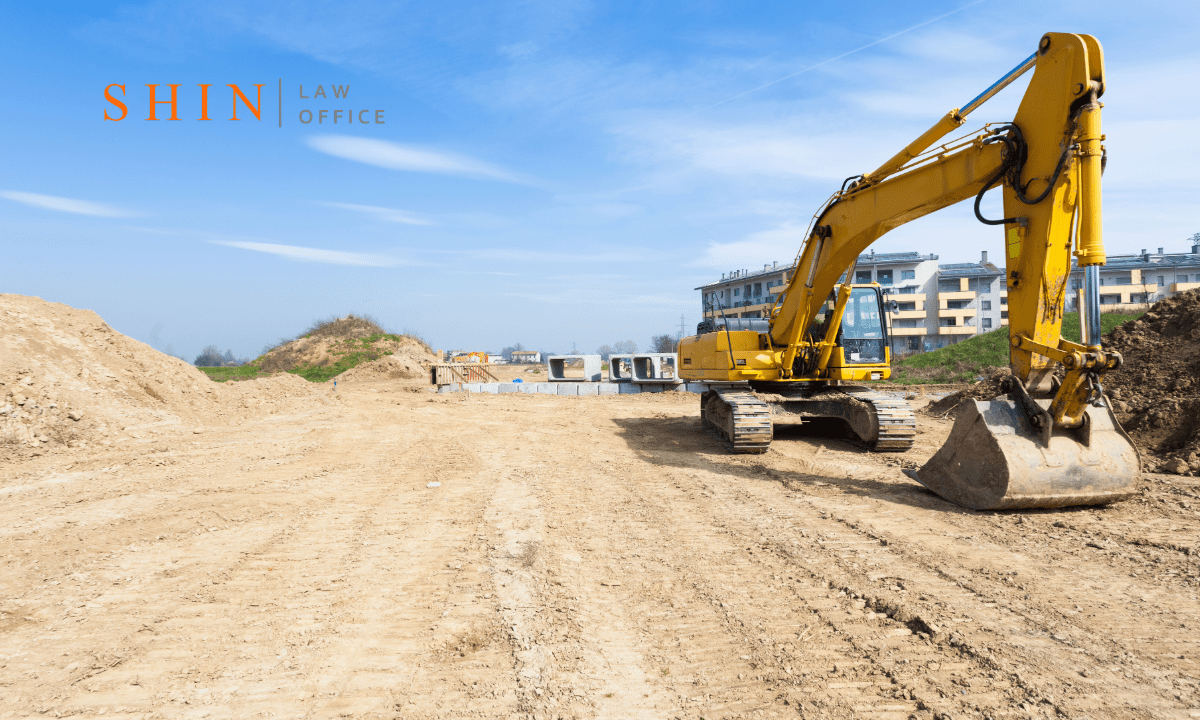
A residential development in Bristow was designed with a grading and drainage plan that directed stormwater away from the building pads and toward engineered retention facilities at the community’s perimeter. Within two years of completion, homeowners in one section of the development were experiencing basement flooding after every significant rain event. The civil engineer’s grading plan had been designed correctly in isolation, but it had not adequately accounted for the topographic conditions created by a neighboring development’s retaining wall that had been constructed after the plan’s design but before Bristow project completion. The failure to update the drainage design for changed site conditions was the civil engineer’s professional responsibility. The resulting flood damage, the emergency drainage remediation, the basement waterproofing work, and the diminished property values in the affected section all generated a claim that the civil engineer’s professional liability carrier ultimately resolved, but only after years of technical investigation and legal proceedings that began with a single engineering decision that was never reconsidered when site conditions changed.
Civil engineering design failures in Prince William County generate some of the most widespread and difficult-to-remediate construction defect claims in the region. When grading, drainage, retaining wall, or site utility design is deficient, the consequences affect every structure built on that site and every property that drainage reaches. Unlike a building system defect that affects a single structure, a civil design failure on a Bristow or Gainesville development can affect dozens of homes, create liability to neighboring property owners, and require infrastructure-level remediation that dwarfs the cost of the original design professional’s fee.
Shin Law Office represents property developers, homeowner associations, and property owners throughout Prince William County in design professional liability claims against civil engineers, geotechnical engineers, site planners, and other licensed design professionals whose deficient work caused project failures or ongoing property damage.
Civil Engineering Design Failures in Prince William County’s Topographically Complex Market
Prince William County’s topography, characterized by significant grade changes, clay-heavy soils with low permeability, and proximity to the Occoquan watershed and other sensitive drainage systems, creates a demanding design environment for civil engineers. Grading designs that work acceptably on flat sites produce drainage problems on sloped terrain. Stormwater management designs that meet regulatory requirements during typical precipitation events may fail dramatically during storm events that are well within the design frequency. Retaining wall designs that are technically adequate for the original site conditions may not account for the dynamic loading that construction equipment creates during development of adjacent parcels.
Geotechnical Engineering Failures: When the Soil Behaves Differently Than the Report Predicted
Geotechnical engineering reports form the foundation of structural and civil design decisions on Bristow and Gainesville development projects. When a geotechnical engineer’s site investigation is inadequate, when the soil testing program does not adequately characterize the variability of subsurface conditions across a large development site, or when the engineering recommendations are misapplied in the final design, the results can include foundation settlements, slope instabilities, retaining wall failures, and drainage system failures that emerge as the development ages and the engineered systems are tested by actual conditions. Geotechnical engineers whose reports and recommendations are deficient are subject to the same professional negligence standard that applies to all licensed design professionals in Virginia.
When site conditions encountered during construction differ materially from those described in the geotechnical report, Virginia construction contracts typically include provisions requiring the contractor to report the differing site condition and stop work in the affected area pending design guidance. Contractors in Prince William County who encounter differing site conditions and proceed without reporting them, modifying their approach without design guidance, may share responsibility for the resulting failure alongside the original geotechnical engineer. Preserving the contractor’s legal position when differing site conditions are encountered requires immediate written notice to the owner and design team and careful documentation of the conditions before they are disturbed by further construction activity.
Stormwater and Erosion Control Design Failures
Prince William County’s position within the Chesapeake Bay watershed subjects development projects to Virginia’s Stormwater Management Act requirements, erosion and sediment control regulations, and Chesapeake Bay Preservation Act provisions where applicable. Civil engineers who design stormwater management systems and erosion control plans on Prince William County development projects take on professional responsibility for ensuring that their designs meet these regulatory requirements. When a stormwater management system designed for an Occoquan-area development fails to meet its design performance criteria, the property owner faces both civil liability to downstream property owners and regulatory enforcement exposure from the county and state environmental agencies.
When drainage or grading failures occur on a Bristow or Prince William County development, property owners and their insurers frequently direct their initial claims at the contractor who installed the systems rather than the engineer who designed them. A contractor who built exactly what the civil engineer’s grading plan required should not bear the cost of a drainage system that failed because the design was inadequate. Shin Law defends contractors against these misdirected claims aggressively while simultaneously pursuing third-party claims against the responsible design professionals. Ensuring that liability is allocated to the party whose professional failure actually caused the problem, rather than to the party who is most convenient to blame, is one of the most valuable services construction litigation counsel provides in design-related construction disputes.
Expert Requirements in Prince William County Design Liability Cases
Design professional liability claims require qualified expert witnesses from the same discipline as the defendant to establish the applicable standard of care and how it was breached. A civil engineering negligence claim requires a civil engineering expert. A geotechnical failure claim requires a geotechnical engineering expert. Retaining the right expert early, before the defective conditions are altered by remediation, and ensuring that the expert has full access to the original design documents, the construction records, and the current site conditions is the foundation of any successful design liability case in Prince William County.
Frequently Asked Questions
Related Articles
References
Virginia General Assembly. (2024). Code of Virginia Title 62.1, Chapter 3.1: Virginia Stormwater Management Act. https://law.lis.virginia.gov/vacode/title62.1/chapter3.1/
Virginia General Assembly. (2024). Code of Virginia Title 54.1, Chapter 4: Licensed professional engineers. https://law.lis.virginia.gov/vacode/title54.1/chapter4/
Prince William County. (2024). Erosion and sediment control and stormwater management requirements. https://www.pwcgov.org/environment
Acret, J. (2018). Architects and engineers: Legal liability (3rd ed.). Wolters Kluwer.
United States v. Spearin, 248 U.S. 132 (1918). U.S. Supreme Court.
Design Professional Liability Claim in Prince William County?
Shin Law Office represents developers, HOAs, and property owners in Bristow, Gainesville, Nokesville, and throughout Prince William County in design professional liability claims that require expert analysis and experienced litigation counsel working from day one.
Talk to a Construction Attorney571.445.6565
